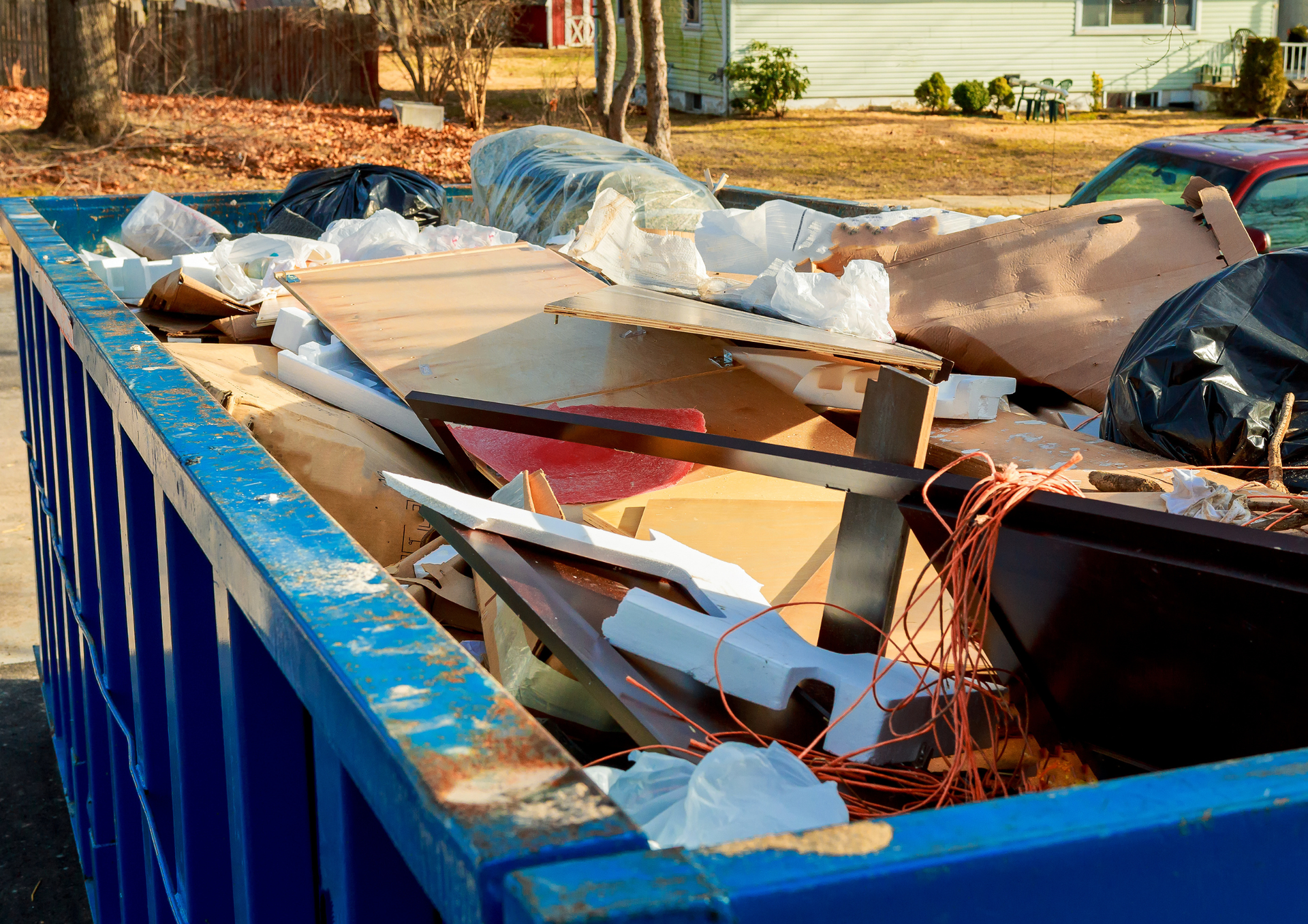

Skip Costs Explained: Pricing Breakdown and What You Pay For
Hiring a skip is one of the most effective ways to manage large volumes of waste, whether you're renovating a home, managing construction debris, or clearing out after an event. But when it comes to skip cost, many people are unsure what they’re actually paying for and how prices are calculated.
Let’s explore the true cost of skip hire and how you can make informed decisions without overpaying.
What Determines Skip Cost?
The skip cost you pay isn’t just a flat rate—it’s influenced by several factors. Understanding these elements helps you see where your money goes and where you might save.
1. Skip Size and Type
Skip sizes range from mini skips (2 yards) suitable for small home projects, to builders skips (6–8 yards) and even larger roll-on roll-off containers (20–40 yards) used for construction or commercial jobs. Naturally, the larger the skip, the higher the cost.
Different projects require different types of skips. For example, enclosed skips are more expensive due to their design and added security, ideal for preventing illegal dumping or fly-tipping.
2. Length of Hire
The hire duration also plays a role in pricing. Most companies offer a standard hire period—usually 7 to 14 days. Extending beyond this period can lead to additional charges. Planning your project timeline carefully can help you avoid unnecessary rental fees.
3. Waste Type
Not all waste is treated equally. General household or garden waste is cheaper to dispose of than heavy materials like soil, hardcore, or plasterboard. Hazardous items such as asbestos, fridges, or chemicals are subject to special handling rules and higher costs. Being honest about your waste type upfront ensures you're quoted the correct price and helps avoid penalties later.
4. Permit Fees
If your skip will be placed on a public road or pavement, you’ll need a permit from the local council. This fee is usually added to your bill by the skip company. Costs and waiting times for permits vary depending on your local authority. In Basingstoke, for instance, permit charges are set by the council and typically cover a set number of days. Make sure to factor this into your budget.
Hidden Costs to Watch Out For
Skip hire companies are generally transparent, but unexpected charges can still catch people off guard. Knowing what to look out for can help you avoid costly surprises.
1. Overfilling Charges
Every skip has a clearly marked fill line, and for good reason. Overloading a skip can make it unsafe to transport. If your skip exceeds the legal weight or height limit, the company may refuse collection or charge extra. To stay within the limit, break down bulky items, load the skip evenly, and choose a size that gives you some flexibility.
2. Prohibited Items and Fines
Certain items are not allowed in skips without prior agreement—this includes tyres, electronics, paint, gas canisters, and hazardous waste. If these are found during collection, you could face extra fees for safe disposal or risk having the skip returned for sorting. Always ask your skip provider for a list of restricted materials before loading.
3. Missed Collection or Access Issues
If a driver arrives to collect your skip and it’s not accessible—whether due to parked cars or locked gates—you may be charged a failed collection fee. Similarly, if the skip is not ready for pickup on the agreed date, you might incur a delay charge. Clear communication with the hire company and ensuring access can prevent this.
4. Incorrect Waste Mix
Mixing certain waste types—like plasterboard with general rubbish—can result in contamination, making it difficult or illegal to recycle. This may lead to sorting charges or full landfill fees, both of which increase your overall cost. Use your skip responsibly, and if in doubt, call the provider for advice.
How to Get the Best Value for Your Skip Hire
Lower skip bin hire prices don’t always mean better value, but with the right strategies, you can cut costs without compromising on service quality.
1. Choose the Right Size
It might be tempting to go for a smaller, cheaper skip, but if it doesn’t hold all your waste, you’ll end up paying for a second one. On the other hand, hiring a skip that’s too large wastes money and space. When in doubt, explain your project to the hire company—they can recommend a suitable size based on experience.
2. Share with Neighbours
If you're in a residential area and your neighbours are also doing work, consider sharing a skip and splitting the cost. Just be sure to coordinate carefully to avoid overfilling. This approach works especially well for seasonal cleanouts or garden clearances.
3. Book in Advance
Like most services, last-minute bookings can cost more. To get the best rates and availability, schedule your skip as early as possible—especially during busy seasons like spring and summer. Advance booking also allows time to arrange any necessary permits.
4. Compare Quotes Locally
Skip is a competitive market, and prices can vary significantly between providers. Look for companies with transparent pricing, positive reviews, and no hidden charges. If you're searching for skip hire prices near me, don’t just go for the cheapest—balance cost with reputation and reliability.
Understanding Local Pricing Trends and What’s Worth Paying For
Skip hire rates differ across the UK, depending on local disposal costs, fuel prices, and regional demand. In places like Basingstoke, pricing reflects both urban and rural needs, making it accessible for both businesses and homeowners.
1. Why Prices Vary
Locations with fewer recycling facilities or stricter landfill regulations may have higher fees. Rural areas might also see slightly increased rates due to travel distance and limited local providers. While searching for cheap skip hire, make sure you're comparing like-for-like services—some quotes might exclude VAT, permits, or delivery costs.
2. Don’t Just Focus on Price
The cheapest option can sometimes lead to poor service, delays, or lack of support. Investing a little more in a reputable provider can save you time, stress, and even money in the long run. If you need to rent a skip for a high-stakes project like a construction site or office relocation, reliability is crucial.
3. Basingstoke-Specific Services
Local skip hire companies in Basingstoke often offer more personalised service and faster turnaround times compared to national firms. They’re also more familiar with council regulations and can handle permits efficiently. Choosing a trusted local provider means your project runs smoother from start to finish.
Understanding what affects
skip cost helps you make smarter, more cost-effective decisions. From size and waste type to potential hidden fees, knowing what you’re paying for puts you in control. Whether you’re managing construction waste, clearing a garden, or renovating your home, choosing the right skip partner ensures you stay on budget and on schedule.
By planning ahead, asking the right questions, and working with a reliable provider, you can avoid unnecessary charges and keep your project moving smoothly.
Skip Hire Basingstoke is trusted by homeowners, businesses, and tradespeople across the region for our reliable service, honest pricing, and hassle-free experience.
We offer:
- Transparent pricing with
no hidden fees
- Flexible sizes to suit any project
- Friendly, knowledgeable support team
- Fast delivery and timely collections
- Permit assistance for roadside skips
Update on X:
Skip cost essentials – full pricing breakdown and key factors!
You might also like