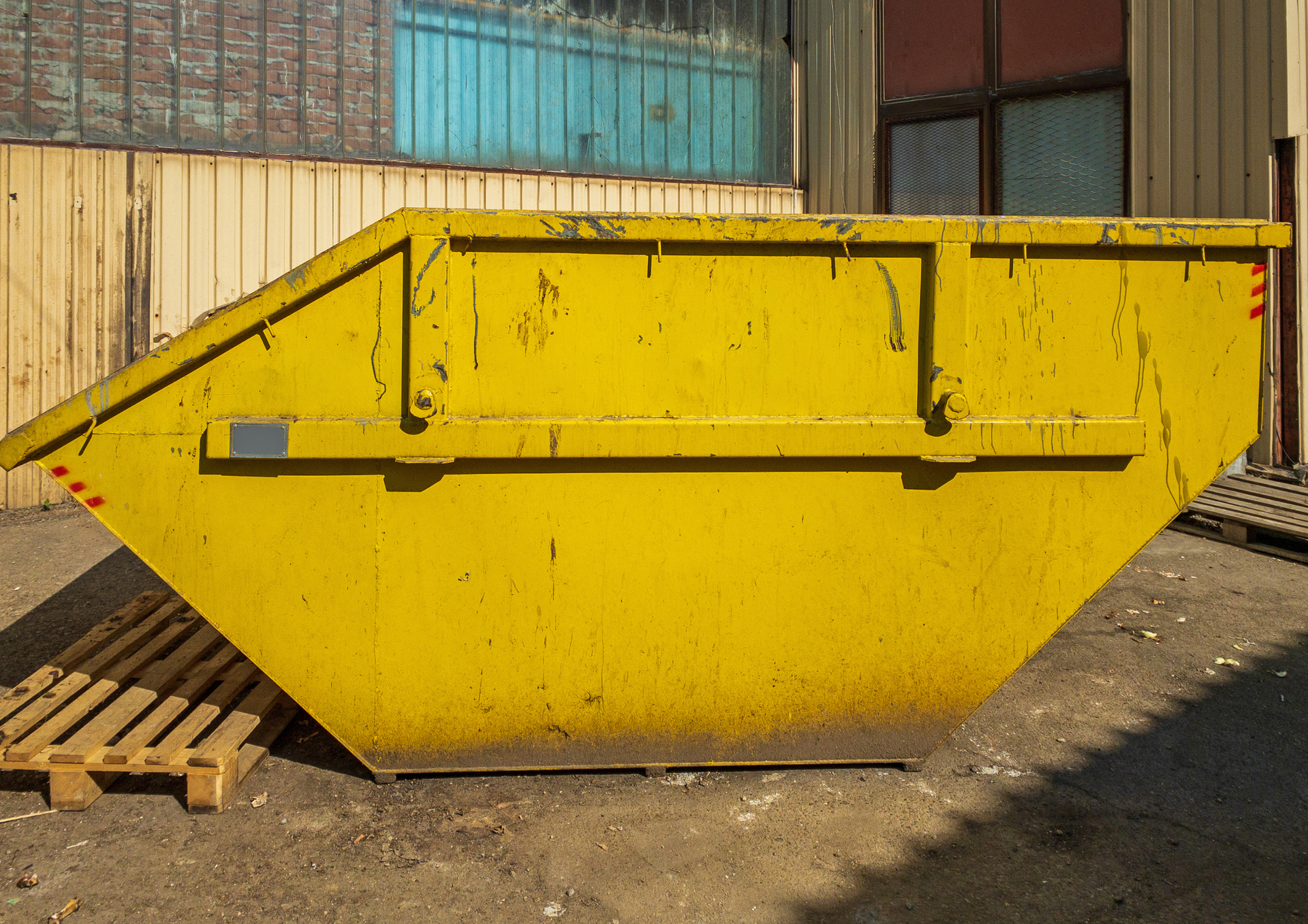

A Practical Guide to Using a 2 Yard Skip for Household Waste Removal
Household projects can produce more unwanted material than expected, even when the work itself appears relatively small. Clearing a spare room, replacing old furniture, tidying a garden or carrying out minor DIY improvements can quickly result in bags, packaging, fittings and other materials taking up valuable space around a property. A 2 yard skip can provide a practical waste management option when the amount being removed is modest and a larger container would provide more capacity than necessary.
Compact containers can be particularly useful for properties where available space is limited. They can suit homeowners undertaking smaller improvements, landlords preparing accommodation between occupancies and property professionals coordinating maintenance work. They may also have a role at commercial premises where relatively small quantities of suitable material need to be removed.
For customers in Basingstoke, properties can range from established residential homes to newer developments and commercial premises, each presenting different access and placement considerations. Similar circumstances occur throughout the UK, so planning should always reflect the individual property rather than relying on a single approach.
Understanding capacity, suitable project types, loading methods and delivery requirements before booking makes waste removal easier to organise. Careful preparation can also help customers make efficient use of the available space while avoiding the inconvenience of choosing a container that does not match the scale of their project.
Understanding Where a Small Skip Can Be Most Useful
Compact waste containers are designed for projects producing manageable quantities of material. They can be particularly practical when customers want an organised place for unwanted items but do not expect enough waste to justify considerably larger capacity. Arranging 2 yard skip hire should therefore begin with a realistic assessment of the work and the materials likely to be produced.
Household Decluttering
- Clearing cupboards, spare rooms and storage areas can produce bags, boxes and miscellaneous unwanted household items.
- A smaller container may provide enough capacity when the project involves selected areas rather than an entire property.
- Sorting belongings before delivery helps customers understand approximately how much disposal space they require.
- Reusable or recyclable items can be separated beforehand where appropriate, leaving the container for materials that genuinely need removing.
Minor DIY Projects
- Decorating, replacing shelving and carrying out smaller repair jobs can generate packaging, old fittings and other debris.
- Keeping these materials in one designated place prevents them from spreading around the working area.
- Planning disposal before work begins can make the project easier to manage, particularly where indoor storage space is limited.
- Customers should check which materials can be accepted before loading begins.
Garden Tidying
- Small garden clearances can produce cuttings, old planters, damaged garden items and other suitable materials.
- Compact capacity may work well where the project involves general tidying rather than extensive landscaping.
- Bulky branches and similar items should be reduced where appropriate so the available space can be used efficiently.
- Keeping outdoor waste contained can make paths, patios and working areas easier to access while the project continues.
Rental and Property Maintenance
- Landlords may need waste removal when preparing a property for new occupants or carrying out routine improvements.
- Surveyors and property managers coordinating smaller maintenance tasks can benefit from having a dedicated disposal point.
- Local authorities responsible for minor works may also require compact waste solutions where only limited material is expected.
- Matching capacity to the actual job can help avoid occupying more site space than necessary.
The suitability of a smaller option ultimately depends on the quantity and type of material rather than the name of the project. Two apparently similar household clearances can generate very different amounts of waste, so assessing the contents before making arrangements remains important.
Planning Delivery, Placement and Loading Carefully
Successful waste removal starts before the container arrives. Customers should identify where it will be positioned, consider how easily the delivery vehicle can reach the property and make sure the chosen location will remain practical throughout the work.
Private driveways can provide a convenient placement area where sufficient space and access are available. Customers should check that vehicles, gates, walls, trees or other obstacles will not interfere with delivery. If the proposed location is away from private property, different arrangements may be necessary, so this should be established before booking rather than on the day of arrival.
Loading also deserves careful consideration. A 2 yard skip provides limited capacity compared with larger alternatives, making efficient use of the available space particularly important. Customers can benefit from sorting materials beforehand and placing suitable flatter objects carefully rather than throwing everything into the container without organisation.
Bulky household items can consume space quickly. Where appropriate and safe, items that can be dismantled may take up less room once separated into manageable pieces. Smaller materials can then be positioned around them to reduce unnecessary gaps. However, customers should never attempt to force unsuitable materials into the container simply to maximise capacity.
The loading level is another important consideration. Waste should remain within the permitted boundaries rather than being piled excessively above the sides. Overloading can create difficulties when collection takes place and may prevent the container from being transported appropriately.
Project timing can improve efficiency as well. If delivery takes place too early, the container may occupy useful space before significant waste has been generated. If it arrives after work has already started, unwanted materials may accumulate around the property. Coordinating arrival with the stage at which disposal begins provides a more organised approach.
Customers should also think about how long their project is likely to take. A straightforward room clearance may be completed relatively quickly, whereas ongoing maintenance work could take longer. Having a realistic timetable allows delivery and collection arrangements to fit more naturally around the project.
Weather and site conditions may also affect planning. Outdoor work can change according to rainfall and other conditions, while access areas should remain clear enough for collection. Considering these practical details beforehand helps reduce complications and keeps waste management integrated with the wider project rather than treating it as an afterthought.
Making the Most of Limited Waste Capacity
A smaller container can be highly practical when it is matched carefully to the project. Because available space is more limited, customers benefit from estimating waste beforehand and loading it methodically. People searching for 2 yard skip price near me should consider whether the capacity itself suits their project before comparing quotations, as choosing an unsuitable size can reduce the value of an otherwise attractive arrangement.
Estimate Before Starting
- Walk through the areas being cleared and identify the main items that will require disposal.
- Consider how much space bulky materials are likely to occupy once removed.
- Avoid estimating solely from the number of rooms involved, as one room can contain considerably more unwanted material than another.
- If the expected volume appears close to the available capacity, discuss the project requirements before making a final choice.
Sort Materials in Advance
- Separate items that are being retained, reused or dealt with through other appropriate routes.
- Group similar waste together where this makes loading easier.
- Confirm that the materials being removed are suitable before placing them inside.
- Sorting early prevents unnecessary items from occupying valuable capacity.
Load Space Efficiently
- Place suitable flatter materials carefully rather than allowing them to create large empty gaps.
- Break down appropriate bulky objects where this can be done safely.
- Position smaller items around larger pieces to make more effective use of the interior.
- Keep everything within the permitted loading level.
Review the Scale of the Project
- Small clearances can expand once cupboards, sheds or storage spaces are opened and fully assessed.
- Renovation work may uncover additional materials that were not visible during initial planning.
- Commercial maintenance can create more waste if several areas are being worked on simultaneously.
- Reassessing the expected volume before delivery can prevent capacity problems later.
Efficient loading does not mean trying to fit an unreasonable amount into a small space. The aim is to use the available capacity sensibly while maintaining appropriate loading practices. If the expected volume is clearly greater than the container can accommodate, selecting a more suitable option from the beginning may provide a smoother solution.
Deciding Whether This Size Matches Your Project
The smallest practical option is not automatically the most economical choice for every project. Customers should consider the entire job rather than simply selecting compact capacity because the work initially appears minor.
A 2 yard skip is generally better suited to manageable quantities of household or project waste than extensive renovations or complete building clearances. A customer clearing one bedroom may find the available space appropriate, while someone removing the contents of an entire property could require substantially greater capacity.
The type of material matters as well as volume. Lightweight but bulky items can fill a container surprisingly quickly, while dense materials introduce different considerations. Describing the expected waste accurately when making an enquiry allows the provider to offer more useful guidance.
Homeowners carrying out gradual DIY improvements should consider whether all waste will be generated at once or over several stages. If several rooms are being renovated consecutively, the total amount may be greater than initially expected. Looking at the complete programme of work rather than the first task can produce a more accurate estimate.
Landlords may face similar decisions when preparing rental properties. A small amount of decorating debris and unwanted household material can be manageable, but a more extensive refurbishment involving flooring, fixtures and furniture may require a different solution.
For surveyors and local authorities, understanding the scope of planned maintenance is particularly useful where several contractors or workstreams are involved. Waste generated by individual activities may appear modest, yet the combined total can increase considerably.
Commercial properties can also benefit from compact capacity in the right circumstances. Smaller office clearances, stockroom tidying and limited maintenance work may not generate enough material for larger equipment. At the same time, positioning should be considered carefully so normal operations, customer access and deliveries are not unnecessarily disrupted.
Customers should therefore avoid choosing purely according to price or external dimensions. The most appropriate option is the one that matches the quantity and nature of the waste while fitting safely within the available location.
Seeking guidance can be particularly helpful when the project sits between two possible capacities. Explaining what is being removed and the approximate scale of the work provides a better basis for making a decision than guessing from photographs or general descriptions alone.
Skip Hire Basingstoke provides practical waste removal support for customers managing domestic clearances, property improvements, maintenance work and commercial projects. We understand that smaller jobs still require careful planning, particularly when available space is restricted or customers are uncertain about the capacity they need.
Our approach focuses on straightforward guidance and dependable arrangements. Customers searching for 2 yard skip hire near me can benefit from considering the expected waste volume, property access and project duration before making their choice, and we aim to make those considerations easier to understand.
We work with homeowners, landlords, property professionals and organisations with different waste management requirements. By taking the individual circumstances of each project into account, we aim to help customers choose an option that fits both the work and the available site.
From initial planning through to collection, our focus is on making the process organised and straightforward while providing a practical local service for projects of varying sizes.
Check out our latest X update with a practical guide to using a
2 yard skip for household waste removal!
You might also like