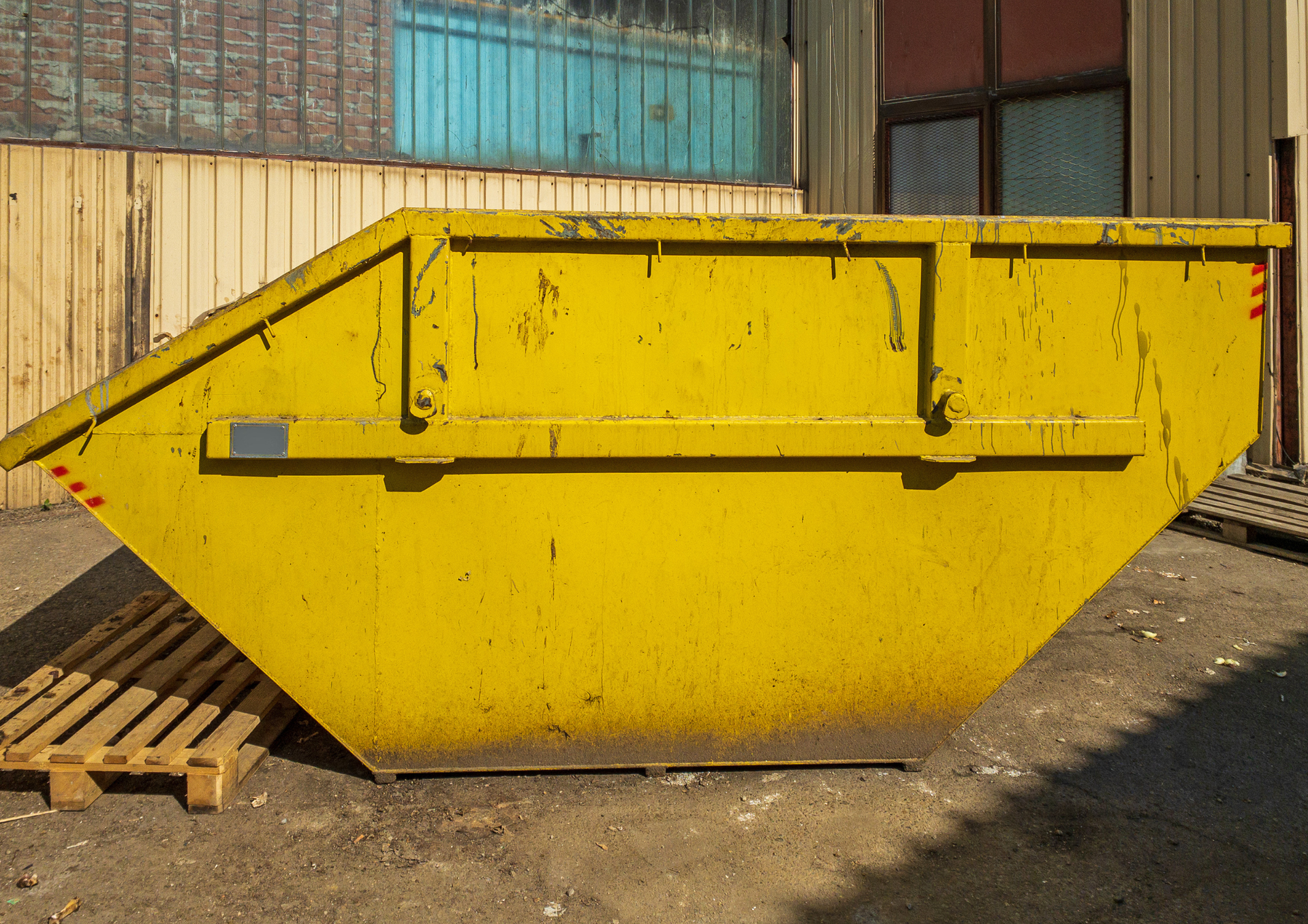

Things to Know Before Choosing Mini Skip Hire for Your Next Project
Waste management may not be the first consideration when planning a home improvement, property clearance or small building project, but deciding how unwanted materials will be removed can make the work considerably easier. For projects that produce more waste than ordinary household bins can accommodate but do not justify a large container, mini skip hire can provide a practical middle ground.
Compact skips can be particularly useful where working space is limited or the volume of waste is relatively modest. Projects such as clearing a spare room, replacing garden features, removing old fixtures or carrying out smaller refurbishment work can all produce materials that need an organised disposal method. Planning for this waste before work starts can prevent bags, broken materials and unwanted items from accumulating around the property.
The right choice depends on more than the physical size of the container. Waste type, expected volume, available access, placement and the duration of the project should all be considered. Homeowners may have different priorities from landlords preparing a rental property, while surveyors, local authorities and those managing commercial premises may need to consider access and project schedules in greater detail.
Consider the Project and the Amount of Waste
The first step is to consider what work will actually be undertaken and how much material it is likely to generate. Compact waste solutions can work well for smaller projects, but accurately estimating the amount of rubbish is important. Looking at the project by category can make that assessment easier.
Household Clearances
- Clearing cupboards, spare rooms, loft areas or garages can produce a mixture of unwanted household items and general rubbish.
- Consider the volume of everything together rather than judging each item individually, as several smaller objects can quickly occupy substantial space.
- Breaking down suitable bulky items may help make better use of the available capacity.
- If several rooms are being cleared at the same time, a larger option may be more practical than trying to fit everything into limited space.
Decorating and Refurbishment
- Smaller decorating projects can produce old flooring, packaging, removed fixtures and other materials that are difficult to manage through normal household collections.
- Bathroom or kitchen work may generate considerably more material than straightforward painting and decorating.
- Thinking about what will be removed before new materials are installed provides a clearer estimate of the required capacity.
- Contractors and property managers should also consider whether additional waste is likely to appear once work begins.
Garden Improvements
- Garden clearances can produce branches, hedge cuttings, soil, old fencing and unwanted outdoor materials.
- Green waste can be bulky even when it is relatively lightweight, so physical volume should be considered carefully.
- Projects involving patios, sheds or landscaping may produce heavier materials that require different planning.
- Keeping waste contained can also help preserve clear access around the garden while work is underway.
Matching Capacity to the Job
Choosing small skip hire should be based on the actual volume and type of waste rather than simply selecting the smallest available option. A little planning at the beginning can help prevent the inconvenience of discovering that the chosen container does not provide enough capacity once the project is underway.
Estimating waste does not have to be exact, but it should be realistic. Listing the main materials being removed and considering how much space they will occupy provides a useful starting point. If the project sits between two suitable sizes, asking for guidance before booking can help determine which option is more appropriate.
Think About Access, Positioning and Delivery
The container itself is only one part of the arrangement. Customers should also think carefully about how it will reach the property, where it will be positioned and whether the delivery vehicle has sufficient access. These considerations are particularly important in residential areas where driveways, parked vehicles, narrow roads and neighbouring properties can affect delivery.
A private driveway or other suitable area within the property boundary can often provide a convenient position. The location should allow waste to be carried to the container without creating unnecessary obstacles around entrances, pathways or working areas. Customers should also think about whether they will need regular access to garages, gates or parking spaces during the hire period.
Road conditions should be considered as well. Basingstoke includes a mixture of residential developments, established neighbourhoods, commercial areas and surrounding communities, so access circumstances can vary considerably from one property to another. The same principle applies elsewhere: providing accurate information about the site before delivery helps the provider understand what arrangements may be required.
People searching for mini skip hire near me should therefore consider more than proximity alone. A suitable local service should also be able to discuss access, expected waste, placement and collection arrangements clearly before the booking is confirmed.
If the container needs to be placed somewhere other than private property, additional requirements may apply depending on the location and circumstances. These should be investigated before the planned delivery date rather than after the vehicle arrives. Allowing enough preparation time can reduce the possibility of disruption.
Overhead obstacles are another consideration that can easily be overlooked. Low branches, cables or structures may affect how delivery can be completed. Gates, walls and narrow entrances can also restrict manoeuvring space. Describing these conditions accurately during the booking process gives the provider an opportunity to consider whether the proposed location is practical.
For commercial properties, surveyors and organisations coordinating larger programmes of work, timing can be equally important. Delivery may need to take place around staff, contractors, customers or other site activities. Establishing a suitable time and clear positioning instructions helps integrate waste management into the wider project rather than allowing it to interfere with other work.
Good preparation makes delivery simpler. Clearing parked vehicles, moving temporary obstacles and ensuring the intended location is accessible before arrival can save time and help the process proceed smoothly.
Understand What Can Go Into the Skip
Knowing what you intend to dispose of before booking helps avoid problems once work begins. Different projects produce different materials, and not everything should automatically be placed together. Discussing the expected waste beforehand provides greater clarity and supports responsible handling.
General Household Materials
- Clearances may produce furniture components, packaging, unwanted household objects and general non-hazardous rubbish.
- Customers should identify unusual materials before loading rather than assuming everything can be included.
- Organising waste as the clearance progresses can make loading more efficient.
- Keeping the surrounding area tidy also reduces the chance of unrelated rubbish becoming mixed with project waste.
DIY and Renovation Waste
- Decorating and refurbishment projects can produce timber, old fixtures, flooring and packaging from new materials.
- Heavier building materials should be considered carefully because weight can become important even when the physical volume appears modest.
- Customers should explain the nature of the work when booking so the expected waste can be discussed.
- Planning disposal alongside the renovation itself helps prevent removed materials from obstructing working areas.
Garden Materials
- Branches, hedge cuttings and other garden waste can occupy substantial space.
- Soil, rubble and similar dense materials require different consideration from lighter green waste.
- Separating materials where appropriate can support more organised handling after collection.
- Estimating the waste after pruning, dismantling or landscaping rather than before can sometimes provide a more realistic idea of the required capacity.
Loading Sensibly
A mini skip works best when its available capacity is used carefully. Waste should be placed inside in an organised manner rather than being allowed to extend unnecessarily beyond the container. Breaking down suitable items and loading materials thoughtfully can make better use of the space while keeping the area around the container orderly.
Customers should ask about anything they are uncertain about before placing it inside. This is particularly useful for renovation projects where unusual materials may be uncovered as work progresses. Clear communication can prevent avoidable complications when collection is due.
Compare the Overall Service, Not Just the Initial Figure
Price naturally matters when planning a project, particularly when several different costs need to be managed at the same time. However, comparing services solely according to the first figure shown can provide an incomplete picture. The more useful approach is to understand exactly what is included and whether the proposed arrangement matches the requirements of the job.
When considering mini skip hire cost, customers should look at factors such as container size, hire duration, delivery arrangements and collection procedures. Comparing like for like makes it easier to understand whether one quotation genuinely represents better value than another.
Hire duration deserves particular attention. A weekend clearance may only require a short arrangement, while refurbishment work can take longer than expected. Understanding the agreed period beforehand makes it easier to coordinate waste removal with contractors, deliveries and other stages of the project.
Collection arrangements are equally important. Some customers know exactly when the container will be ready, while others may need greater flexibility because the project schedule can change. Discussing the process at the beginning helps establish what happens once loading is complete and how collection should be requested.
Communication should also form part of the comparison. A straightforward booking process, clear information about acceptable materials and practical advice regarding placement can be valuable, particularly for customers who have not previously arranged this type of waste removal.
The cheapest quotation is not automatically poor value, just as a higher figure does not automatically indicate better service. What matters is whether the service is appropriate for the project and whether the customer understands what is being provided. Homeowners completing DIY work may prioritise simplicity and convenient timing, while landlords and surveyors could place greater emphasis on coordination with contractors or property access.
For local authorities and those responsible for commercial properties, reliable planning can be particularly important. Waste arrangements may form only one part of a wider schedule involving several trades or departments. Knowing how delivery and collection will work allows these activities to be incorporated into the project more effectively.
Taking a few minutes to compare the complete service rather than focusing exclusively on price can therefore make the booking decision considerably clearer.
Smaller waste removal projects still benefit from careful planning. Understanding the likely volume of waste, identifying the materials being removed and checking available space before booking can help prevent unnecessary complications once work begins.
The right solution will depend on the circumstances of each project. A straightforward household clearance has different requirements from a bathroom refurbishment, garden improvement or commercial property project. For smaller volumes of unwanted material, mini skip hire can provide a practical option where the available capacity suits the scale of the work. Access, positioning and the expected duration of the project can be just as important as the amount of waste itself.
Customers should also consider how delivery and collection fit into the wider schedule. Preparing the intended location, communicating any access restrictions and confirming what materials will be removed can create a smoother process from the outset. For landlords, surveyors and organisations responsible for multiple properties, these details can be particularly useful when coordinating work with contractors and other services.
Price remains an important consideration, but it is most useful when assessed alongside capacity, service arrangements and practical suitability. Taking a balanced approach allows customers to choose a waste solution based on the actual requirements of their project rather than relying on one factor alone.
Whether the work is taking place in Basingstoke or elsewhere, preparation remains the key to straightforward waste management. A clear understanding of the project before booking can help keep working areas organised and make the final removal of unwanted materials considerably easier.
Skip Hire Basingstoke provides a practical way for homeowners, landlords, surveyors, local authorities and those responsible for residential or commercial properties to arrange waste removal for projects of different sizes. We focus on clear communication, suitable waste solutions and organised delivery and collection arrangements so customers can plan their work with greater confidence.
Whether your project involves a household clearance, garden improvement, refurbishment or smaller building job, mini skip hire can be arranged according to the expected waste and site conditions. Our approach is centred on understanding the practical requirements first, helping customers consider capacity, access and collection arrangements without adding unnecessary complexity to the booking process.
By providing accurate details about the project and intended placement area, customers can receive guidance that reflects their circumstances. This straightforward approach helps make waste management easier to incorporate into domestic improvements, property maintenance and commercial projects from the initial planning stage through to collection.
Check out our latest X update on the key things to know before choosing
mini skip hire for your next project!
You might also like